
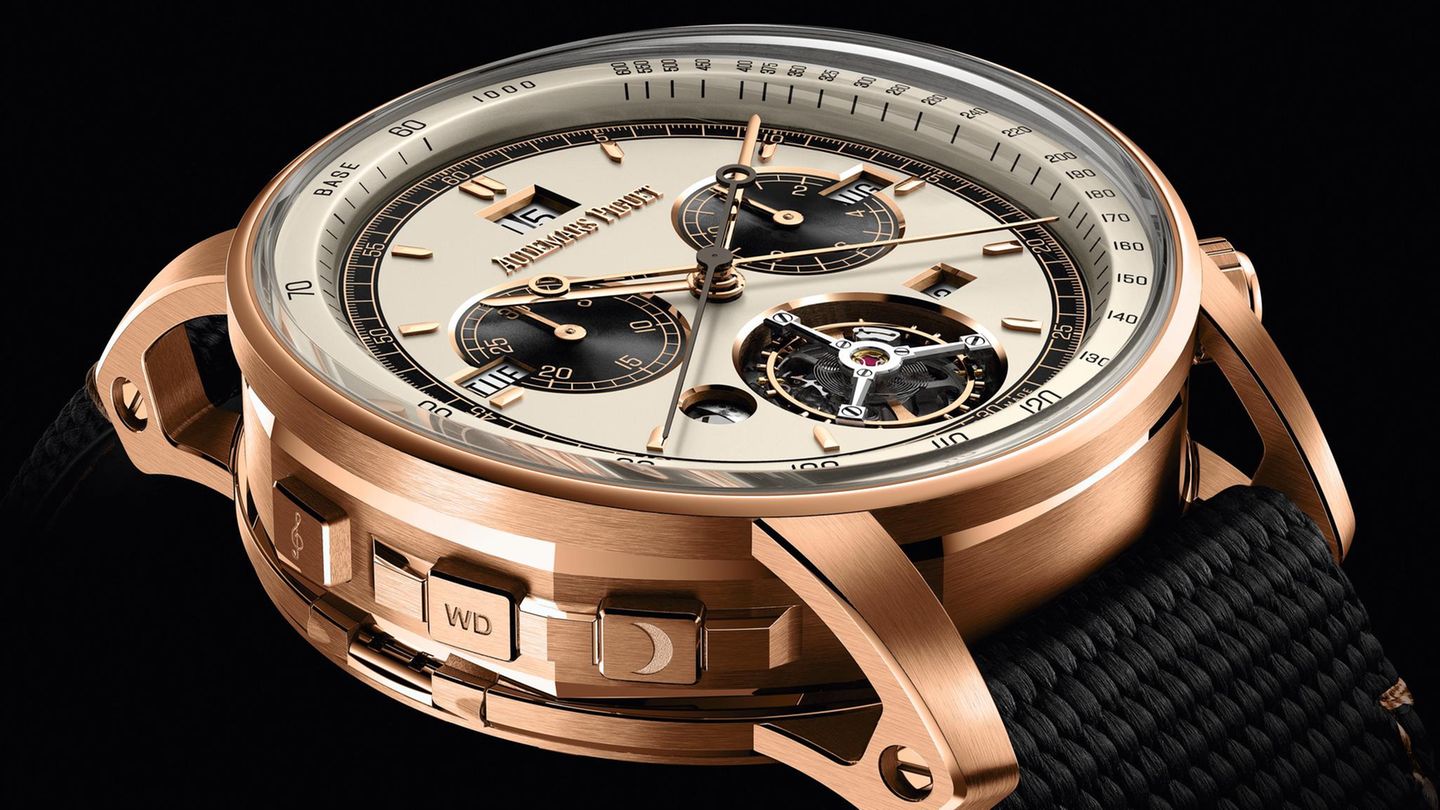
Comparing reliable watch brands helps buyers make informed decisions. Learn about quality, value, and lasting appeal in our Uhrenmarken Vergleich.

Selecting a reliable watch brand requires more than just glancing at prices or popular names. It demands an understanding of heritage, craftsmanship, and long-term ownership value. My experience in horology, both as a collector and an observer of market trends, shows that a methodical Uhrenmarken Vergleich is crucial for making a truly sound purchase. This process involves evaluating not just the timepiece itself, but also the brand’s reputation, service network, and commitment to quality.
Overview
- A diligent Uhrenmarken Vergleich is essential for informed watch purchases.
- Evaluating value extends beyond initial cost, including durability and brand legacy.
- Key non-price factors like movement type, materials, and design significantly impact choice.
- Craftsmanship, such as finishing and in-house movements, defines a watch’s quality.
- After-sales service and global presence are vital for long-term ownership.
- Buyers should consider personal fit, authorized dealers, and budgets carefully.
- Understanding different watch tiers, from accessible to haute horlogerie, guides selection.
Understanding Value in your Uhrenmarken Vergleich
When approaching an Uhrenmarken Vergleich, the concept of “value” is multifaceted. It is not solely about the sticker price. True value encompasses a watch’s durability, its potential for resale, and the brand’s heritage. A brand like Seiko offers exceptional entry-level value, providing robust mechanical movements at accessible price points. Their offerings often punch above their weight class in terms of finish and reliability. On the other hand, a brand such as Rolex or Omega brings a proven track record of retaining value, often increasing over time for specific models.
Middle-tier brands like Longines or Oris often provide a compelling balance. They feature Swiss movements, quality materials, and distinct designs without the ultra-luxury price tag. Their value lies in solid craftsmanship and respectable brand recognition. Considering a watch’s service interval and cost also contributes to its long-term value. Some brands have readily available parts and technicians, while others require specialized, more expensive servicing. This factor is especially important for mechanical watches.
Key Factors Beyond Price
Moving beyond the sticker price, several critical elements dictate a watch’s suitability. The movement type is paramount. Quartz watches offer accuracy and low maintenance. Mechanical movements, whether automatic or hand-wound, appeal to enthusiasts for their intricate engineering. Brands like Citizen excel in quartz technology, including their Eco-Drive solar-powered movements. Swiss brands often specialize in mechanical movements.
Materials used in the case and bracelet also matter significantly. Stainless steel is common, but titanium offers lighter weight and hypoallergenic properties. Precious metals like gold or platinum increase cost and prestige. Sapphire crystal is preferred for its scratch resistance over mineral glass. Water resistance ratings are crucial for daily wear or specific activities. A minimum of 100 meters is generally recommended for active use. The design aesthetic is subjective but fundamental. A classic design might offer timeless appeal, while a contemporary piece makes a statement.
Distinguishing Craftsmanship in any Uhrenmarken Vergleich
True expertise in horology allows one to distinguish craftsmanship. This is where a detailed Uhrenmarken Vergleich truly shines. Look closely at the finishing of the movement, even if it is hidden behind a solid case back. Are the bridges beveled and polished? Are the screws blued? These details separate mass-produced movements from those with more hand-finishing. Brands like Grand Seiko are renowned for their meticulous Zaratsu polishing, creating distortion-free surfaces. This level of detail rivals some European luxury watches.
Consider also the dial and hand finishing. Applied markers, precisely cut hands, and intricate guilloché patterns speak volumes about a brand’s dedication. Some manufacturers, particularly in the haute horlogerie segment, develop “in-house” movements. These are designed and built entirely by the brand, signifying a higher level of technical independence and often superior engineering. Contrasting this with brands using “off-the-shelf” movements helps discern the depth of a company’s horological capability. A brand’s history of innovation also highlights its commitment to craftsmanship.
Practical Advice for your Personal Uhrenmarken Vergleich
When it comes to your own personal Uhrenmarken Vergleich, practical steps ensure satisfaction. First, always try on watches before buying. How it feels on your wrist, its weight, and its presence are personal decisions. A watch that looks great in pictures might not suit you in person. Second, research thoroughly. Read reviews from trusted sources and watch forums. Pay attention to owners’ long-term experiences. This includes aspects like after-sales service quality, which can vary significantly between brands. For instance, obtaining service in the US for certain independent European brands can be more involved.
Set a realistic budget, but remain flexible for truly exceptional pieces. Sometimes stretching a little for a significantly better watch can lead to greater long-term happiness. Buy from authorized dealers whenever possible. This ensures authenticity, proper warranty coverage, and often better after-sales support. Gray market purchases can offer savings but carry risks like voided warranties. Finally, remember that a watch is a long-term companion. Choose something that resonates with your personal style and needs, rather than chasing fleeting trends.


